
New York : The United States military executed a series of strategic airstrikes on Sunday aimed at delivering swift punishment to Iran’s paramilitary Islamic Revolutionary Guard Corps (IRGC). This significant escalation follows a recent cross-border assault that resulted in the deaths of two American service members, marking the first combat fatalities suffered by U.S. forces from direct Iranian fire since the initial phases of the war. Commenting on the tragic incident, President Donald Trump expressed deep sorrow, describing the losses as a shame, yet firmly stood by the ongoing military deployment. In an exclusive interview with the New York Post, the President defended the presence of the American troops, asserting that their mission is vital to preventing Iran from obtaining nuclear weaponry.
According to official updates from the U.S. Central Command (CENTCOM), the fatal engagement occurred on Friday in Jordan, where American troops alongside allied partner forces were actively defending tactical positions against an influx of Iranian ballistic missiles and drone strikes. Out of respect for the grieving families, the names of the fallen service members have been temporarily withheld. Furthermore, CENTCOM’s press release detailed that another soldier remains missing, while four additional personnel required hospitalization but have since been successfully discharged. This latest encounter raises the war’s total U.S. casualties to 16 service members killed and over 430 wounded since hostilities erupted in late February.
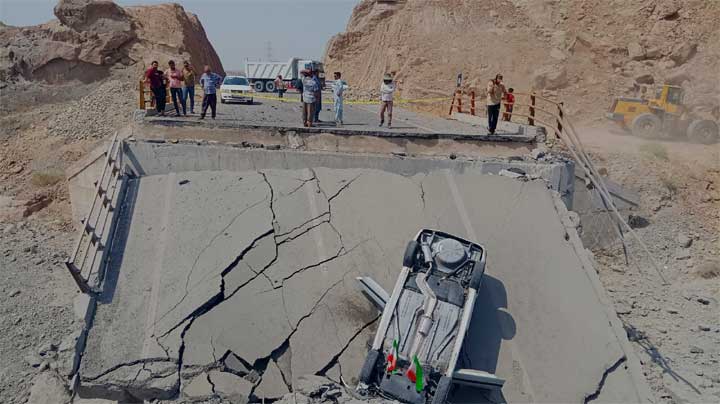
Currently, over 50,000 American military personnel are stationed across the Middle East as daily combat operations between the U.S. and Iran reach unprecedented levels of intensity, triggered primarily by the total collapse of an interim peace agreement. In retaliation for the persistent friction, the eighth consecutive night of U.S. aerial operations successfully neutralized critical Iranian coastal surveillance setups, air defense infrastructure, maritime assets, and stockpiles of missiles and unmanned aerial vehicles. Conversely, Iranian state media claimed that the American strikes also leveled vital civilian bridges and desalination plants—allegations that CENTCOM and the White House have declined to address, despite critics warning that targeting civilian infrastructure could border on war crimes. Meanwhile, Tehran reported that at least 50 individuals were killed and more than 500 injured in the latest bombardment, while Iran’s Supreme Leader Mojtaba Khamenei issued a stern warning of unforgettable lessons should Washington persist with its offensive.
The regional conflict has rapidly spilled over into broader geopolitical threats, with Iran and its proxy networks striking back at U.S.-aligned nations, including infrastructure hits on Kuwaiti power grids and desalination networks. Adding to the friction, the IRGC-linked Fars news agency broadcasted direct threats targeting airports and maritime ports in the United Arab Emirates (UAE). In response to the highly volatile atmosphere, the U.S. State Department issued a global security alert, cautioning American citizens worldwide to stay vigilant against potential asymmetric counterattacks from pro-Iranian factions. Simultaneously, the geopolitical crisis has triggered intense political gridlock in Washington; Senate Democrats recently blocked a $1 trillion defense funding bill in protest against the war, prompting House Speaker Mike Johnson and fellow Republicans to seek alternative budget reconciliation strategies to push through defense spending ahead of the August recess.



Leave a Reply
Leave a Reply
Posted in: World News, News